Category: About the initiative
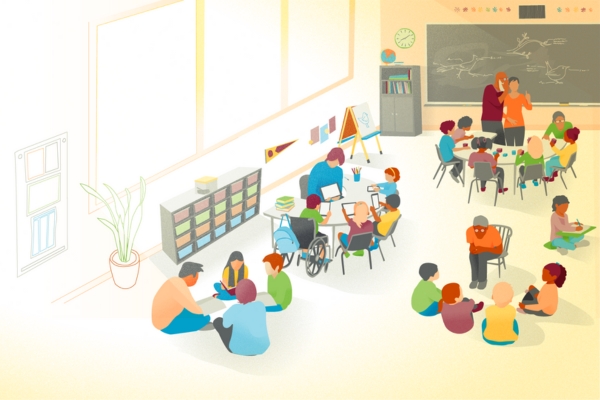
Team-based school staffing expands across states, improving outcomes and experiences for students and educators
Across 16 U.S. states and two countries, educators are working in teams rather than alone, creating more student-centered learning environments while building careers that are collaborative, sustainable and satisfying. In just seven years, Next Education Workforce™ team-based staffing models have grown from a single school to 128 schools serving roughly 33,000 students.

CTE education pathways are empowering high schoolers to make a real impact in classrooms. Here’s how Arizona State University’s Community Educator Learning Hub can help
An upcoming webinar hosted by the leaders of the Community Educator Learning Hub, an award-winning online learning platform developed by the Next Education Workforce, will highlight resources relevant to CTE education professions pathways.
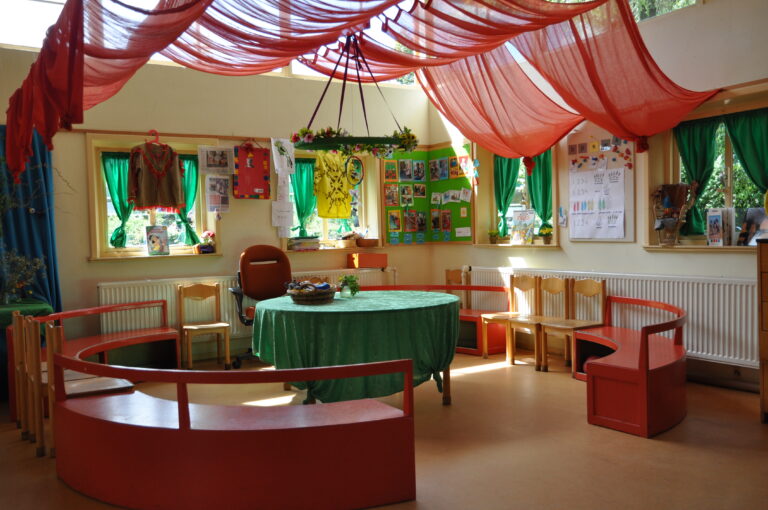
Dutch ingenuity in education: Building educator teams with purpose
Dating back to the early 20th century, the Dutch have approached schooling not as a fixed structure, but as something that can — and should — be shaped by purpose. Saxion University of Applied Sciences’ partnership with ASU and the Next Education Workforce™ marks a new chapter: one where Dutch and American educators learn from each other.
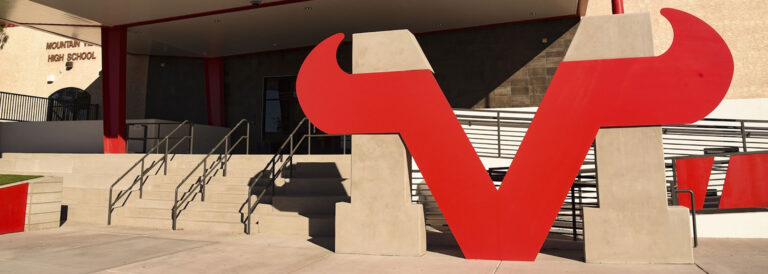
How teaming helps freshman transition to high school
Team-based school staffing models at Mountain View High School are helping students succeed and attracting educators to the Arizona high school. Learn more in a short video from 12News.
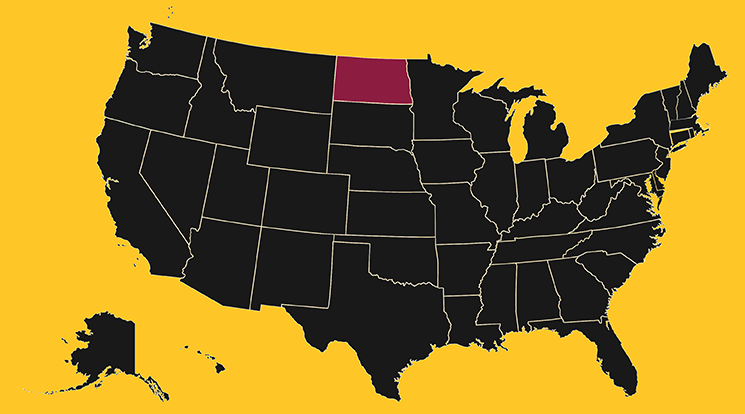
Creating new educator pathways in North Dakota
North Dakota has become the first state to secure approval from the U.S. Department of Labor for a new apprenticeship program for teacher leaders, a project developed with the support of Arizona State University’s Next Education Workforce™ initiative.

A Q&A with the authors of ‘Unlocking the Potential of Team-Based Staffing’
In this Q&A, co-authors Brent W. Maddin, Lennon Audrain, Lisa Maresso Wyatt and Kaycee Salmacia share the experiences that helped shape the book and their work with the Next Education Workforce; what they hope school and system leaders will take away from the book; and why this book is important, especially now.
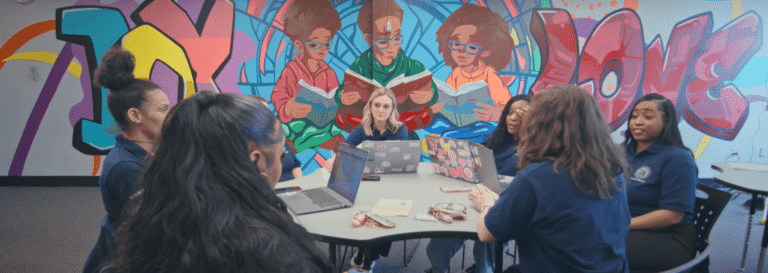
See teaming in action at the Detroit Academy of Arts and Sciences
In a short video, educators and leaders at the Detroit Academy of Arts and Sciences share how they’re redesigning roles, collaborating in new ways and building stronger support systems for students and teachers alike through Next Education Workforce™ team-based models.
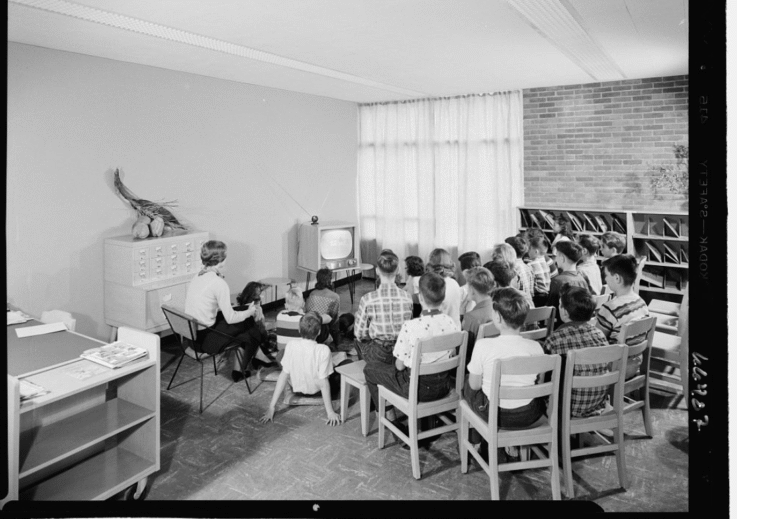
The future isn’t smarter tools, it’s powerful systems
From filmstrips to flipped classrooms, the arc of educational technology often tends to reinforce the usual ways of doing school. While tools like AI hold great promise, their effectiveness depends on both the structures of schooling — how we organize time, roles and relationships — and the systems that undergird those structures: the policies, assumptions and routines that determine what school looks like.
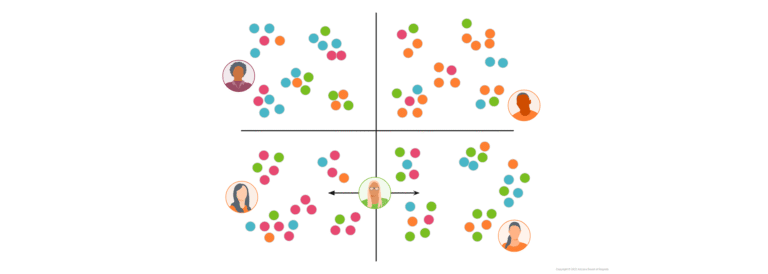
Beyond the roster: Rethinking how we dynamically group students and assign educators
What might seem like a scheduling tweak is actually a structural foundation for transformation. When the same educators share the same students during the same blocks of time, they can move beyond coverage to connection, beyond sorting to support. Dynamic student grouping is an instructional move grounded in the belief that students deserve not just one educator, but a team of educators who know them, coordinate around them and respond to their needs.

Turning the chapter: The Next Education Workforce™ in ‘School Rethink 2.0’
“School Rethink 2.0” gathers insights and advice from nearly a dozen leaders, entrepreneurs and practitioners including Brent Maddin, executive director of ASU’s Next Education Workforce™.

Introducing the Mary Lou Fulton College for Teaching and Learning Innovation
The Next Education Workforce™ is the strategic school staffing initiative of Arizona State University’s Mary Lou Fulton Teachers College, which, as of Jan. 13, 2025, will be known as the Mary Lou Fulton College for Teaching and Learning Innovation.
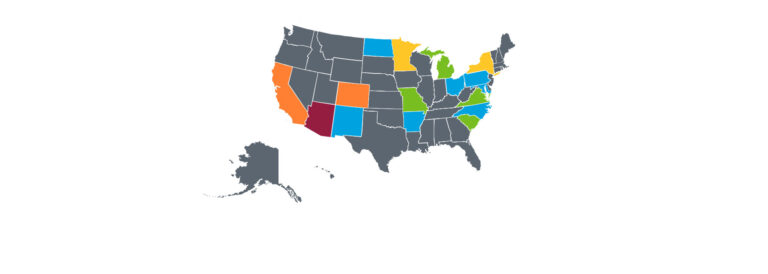
From coast to coast: More schools implement Next Education Workforce models in 2024-25
In the 2024-25 school year, 143 schools across 17 states embraced innovative Next Education Workforce™ models, a transformative step to improve outcomes for learners and educators through team-based strategic school staffing.
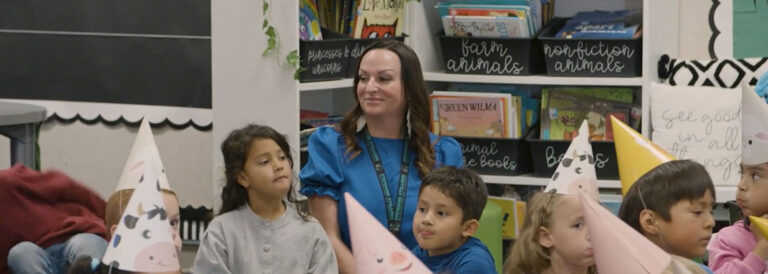
School and system leaders on the shift to strategic school staffing
School and system leaders share their experiences launching team-based strategic staffing models in new Next Education Workforce™ Virtual Site Visits videos.
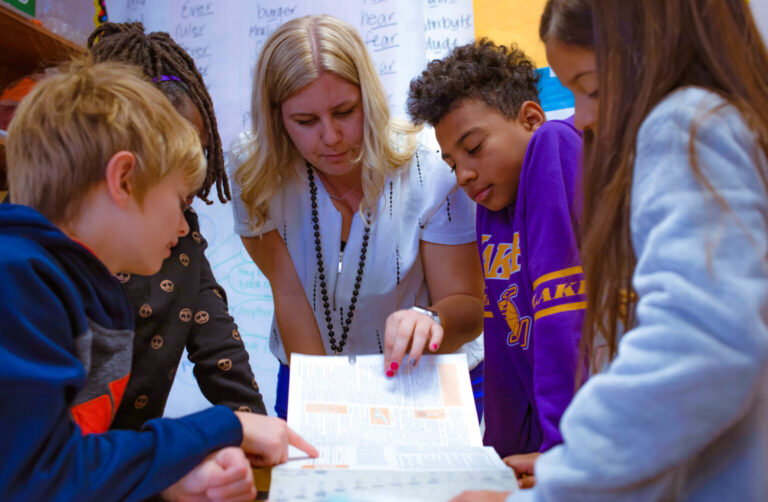
How teams are improving teacher job satisfaction and student academic support in Mesa, Ariz.
What happens when leaders and educators implement innovative, team-based staffing models in their schools and systems? Next Education Workforce™ models fundamentally redesign the one-teacher, one-classroom model to deepen and personalize learning for all students and improve working experiences for educators.
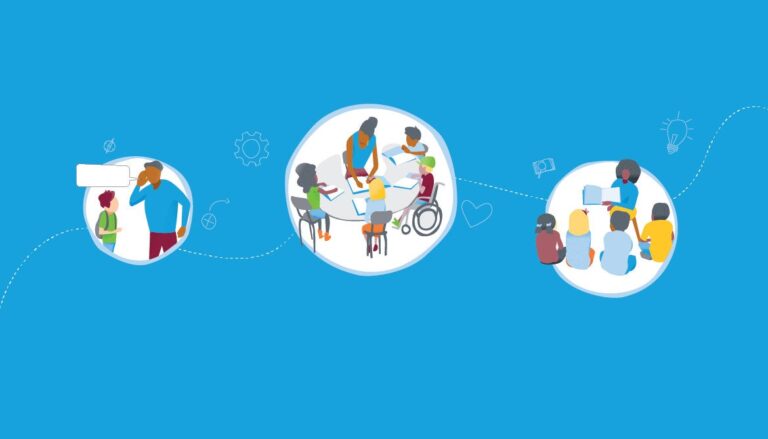
Who’s in your neighborhood? Leveraging your community to empower educators and learners
How can school systems leverage their communities to create deeper and more personalized learning for all students? One answer is to empower families, tutors, mentors and other community members with teaching and learning strategies that are easy to access and immediately put into practice with children.
Introducing the Community Educator Learning Hub
Community educators, the professionals and volunteers who assist with instruction, can now turn to this award-winning catalog of short, interactive nanocourses to access training designed to help them more effectively engage learners.
The Next Education Workforce podcast is back
What are experts from across the education landscape saying about strategic school staffing? We invited three experts to join us on the Next Education Workforce™ podcast for a miniseries on strategic school staffing.
How are schools leveraging classified staff roles and community partnerships? Explore the Community Educator Lab
Classified staff — including paraprofessionals, custodians and bus drivers — are crucial members of school communities. Arizona State University’s Community Educator Lab is helping school leaders best leverage them to support students and educators.
Providing equitable instruction through team-based models
Carole Basile, Dean of the Mary Lou Fulton College for Teaching and Learning Innovation, joined the Remaking Tomorrow podcast to discuss the future of the educator workforce and the importance of recognizing the structural challenges that educators face within the current one-teacher, one-classroom model.
How does your work advance strategic school staffing?
The Strategic School Staffing Summit hosted by the Next Education Workforce™ is inviting proposals for live, virtual sessions on Feb. 7–8, 2024.